The Lutnick Letter: A Timeline of Convenient Decisions
What happens when a technically functioning commercial AI product can disappear worldwide by government directive—with no published threshold, timetable or independent adjudication?
By Julian Franklin · Published 14 June 2026 Last updated 14 June 2026
This article is the full-length version of a piece first published on LinkedIn. All claims are sourced. Timeline events are documented from public records, court filings, official statements, and named commentary.
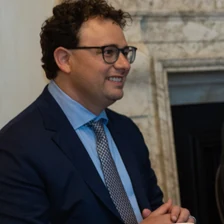 Dario AmodeiAnthropic CEO
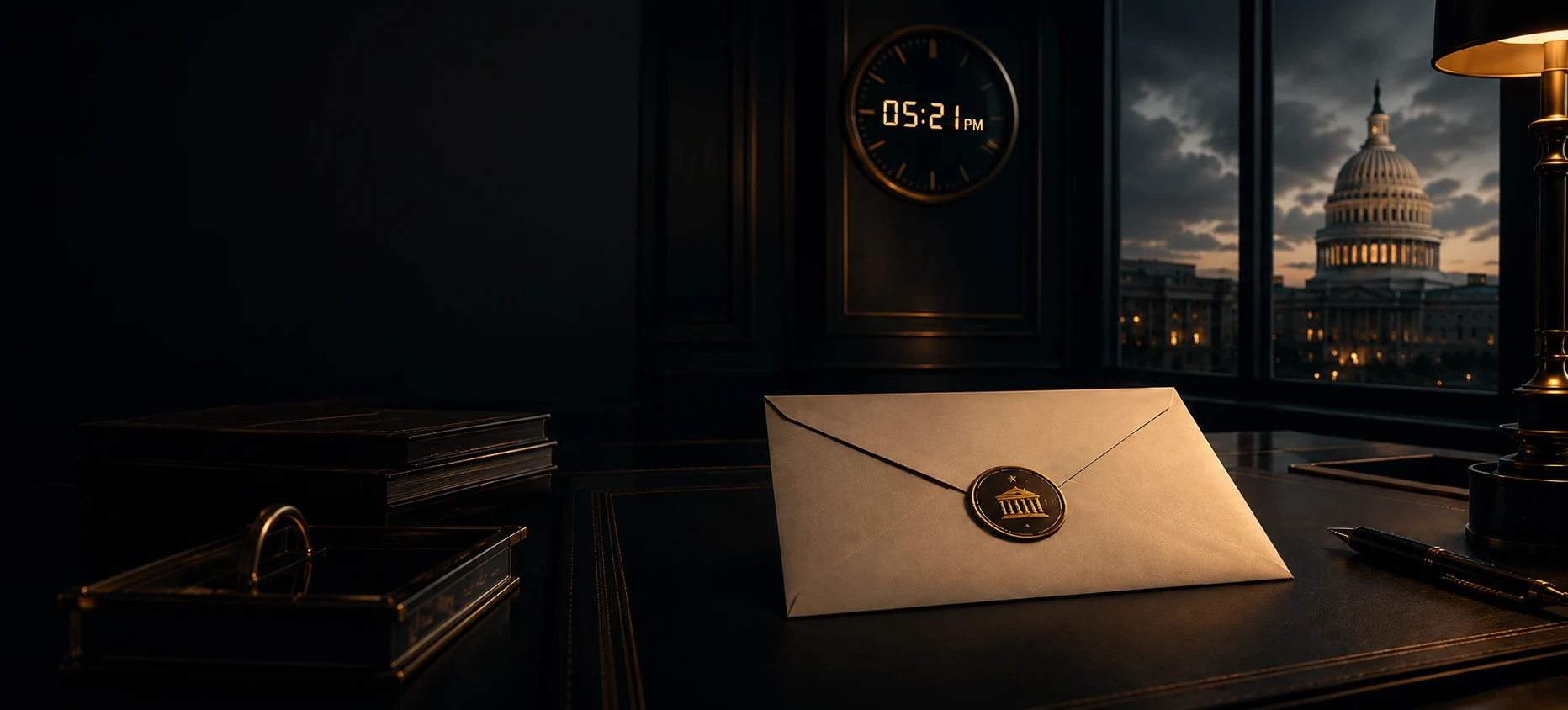
On the evening of June 12, 2026, US Commerce Secretary Howard Lutnick sent a letter to Anthropic CEO Dario Amodei. The letter arrived at 5:21pm Eastern. It directed Anthropic to exclude all foreign nationals from its most advanced AI models. Anthropic, unable to enforce that restriction in real time, disabled the models for every user on earth.
No reinstatement criteria were provided. No timeline was given. As of publication on June 14, 2026, no equivalent action against another provider had been publicly reported.
To understand why that matters, you need the timeline.
Early 2025 onward — Anthropic draws its red lines, publicly
Anthropic's position is not buried in small print. Claude will not be used for fully autonomous weapons systems. Claude will not be used for mass domestic surveillance. Human oversight is non-negotiable.
This is not a policy document kept from public view. It is the company's stated mission, applied to a $200 million Pentagon contract and communicated openly to the market, to government, and to the public.
February 24, 2026 — The Ultimatum
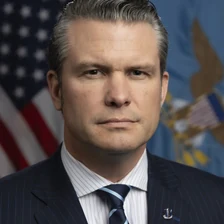 Pete HegsethUS defence secretary
Defence Secretary Pete Hegseth meets Anthropic CEO Dario Amodei. The message is unambiguous. Drop the restrictions on military use within four days, or face compulsion under the Defence Production Act. Alternatively, face expulsion from the defence supply chain as a national security risk.
No middle ground is offered.
February 26, 2026 — Amodei refuses. Publicly.
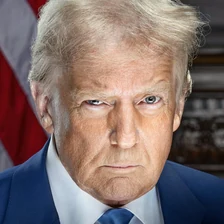 Donald TrumpUS president
Before the 5:01pm deadline expires, President Trump posts on Truth Social ordering every federal agency to immediately cease all use of Anthropic's technology. He characterises the company as "RADICAL LEFT" and "WOKE."
The Pentagon terminates the $200 million contract. Anthropic is designated a "supply chain risk" and locked out of defence work.
Anthropic did not walk away. They were ejected for holding their line.
Ongoing — The Minab Strike
At least 170 people are killed in an apparent US Tomahawk strike on a girls' school in Minab, Iran. Most of them are children. This happens as part of operations in which the Pentagon has struck over 13,000 targets.
Claude is embedded in Palantir's Maven Smart System targeting platform used in those operations. Whether Claude contributed to the Minab strike specifically is not confirmed. Amodei himself said he could not know, given limited visibility into how the tools are deployed in combat.
The company that drew a red line at autonomous weapons had its technology inside the system that produced those numbers. Whether that is a contradiction, a complexity, or a tragedy depends on your position. What it is not is simple.
Late February / March 2026 — OpenAI moves in
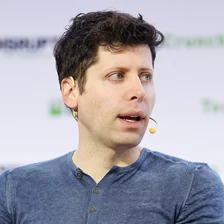 Sam AltmanOpenAI CEO
OpenAI steps in to fill the Pentagon gap left by Anthropic's ejection. No equivalent publicly stated restrictions on military use have been identified. Sam Altman had been negotiating his own Pentagon deal, with some (but not all) of the contractual guardrails Anthropic had wanted. Anthropic's CEO later told employees that OpenAI's messaging around the deal was "mendacious."
March 2026 — A Federal Judge rules
A California federal judge blocks the Pentagon's effort to sever ties with Anthropic, ruling that the blacklisting violated the company's constitutional rights. The ruling concerned the manner of the blacklisting, not Anthropic's substantive military-use position.
The court suggests the blacklisting looks like exactly what Anthropic's lawsuit says it is: retaliation against protected speech. The word "ultra vires" appears in Anthropic's filing. It means beyond legal authority.
January 6, 2026 — Trump buys Nvidia stock (first tranche)
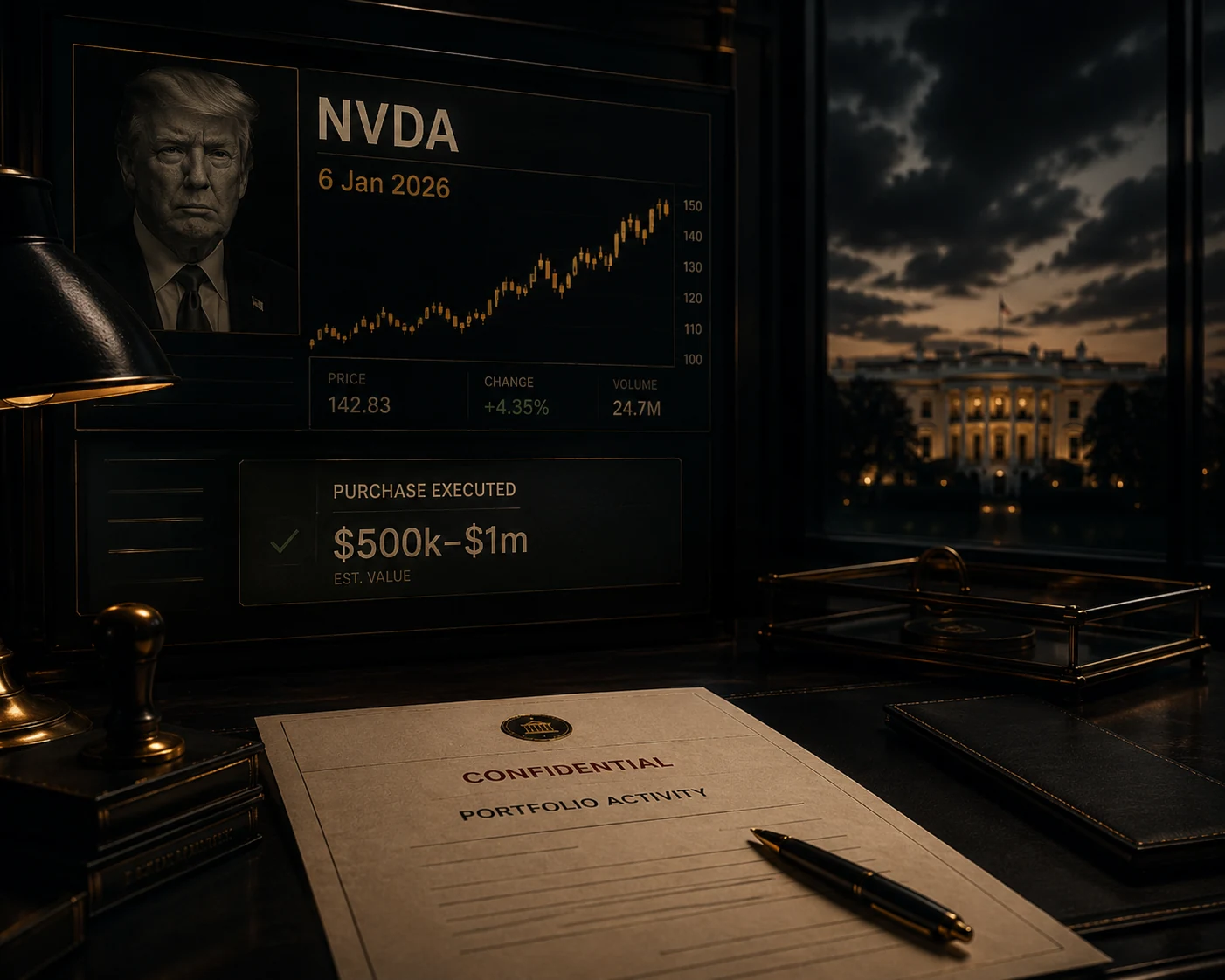
Trump purchases between $500,000 and $1 million in Nvidia stock.
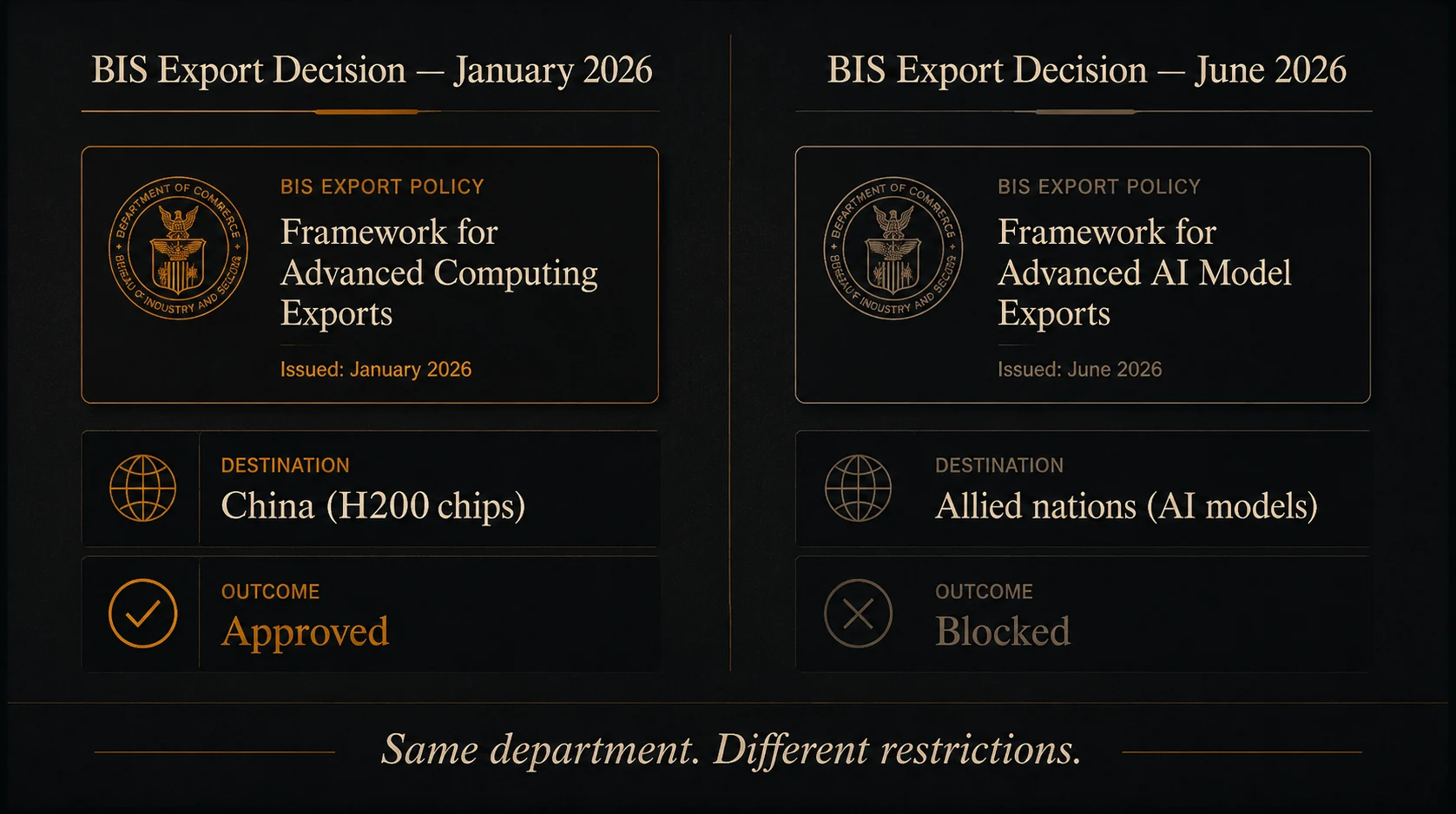
One week later, the Commerce Department, under Lutnick, officially approves the sale of advanced Nvidia chips to China. These are chips that had been explicitly banned from export on national security grounds.
On the same day the Department of Justice announced it had seized over $50 million in smuggled Nvidia technology from a China-linked network, the administration approved legitimate sales of superior hardware directly to China.
February 10, 2026 — Trump buys Nvidia stock (second tranche)
Trump purchases a further $1 million to $5 million in Nvidia stock. Roughly one week later, Nvidia announces a major chip deal with Meta.
Senator Elizabeth Warren calls the cumulative pattern a "national security disaster." The Office of Government Ethics filings note some trades were "unsolicited" but do not clarify what that designation means in practice.
Ongoing — Lutnick's family interest Reported allegation
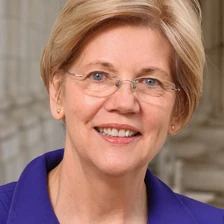 Elizabeth WarrenUS senator
25 Democratic lawmakers, led by Senator Elizabeth Warren and Representative Madeleine Dean, call for the Commerce Department's Inspector General to investigate whether Lutnick has violated his ethics agreement.
The allegation is that he is promoting AI data centres while his own children hold major financial interests in companies involved in the AI data centre industry. An investigation is formally requested.
The man who will sign the June 12 letter has these questions hanging over him at the time of signing.
April-May 2026 — Anthropic does everything right
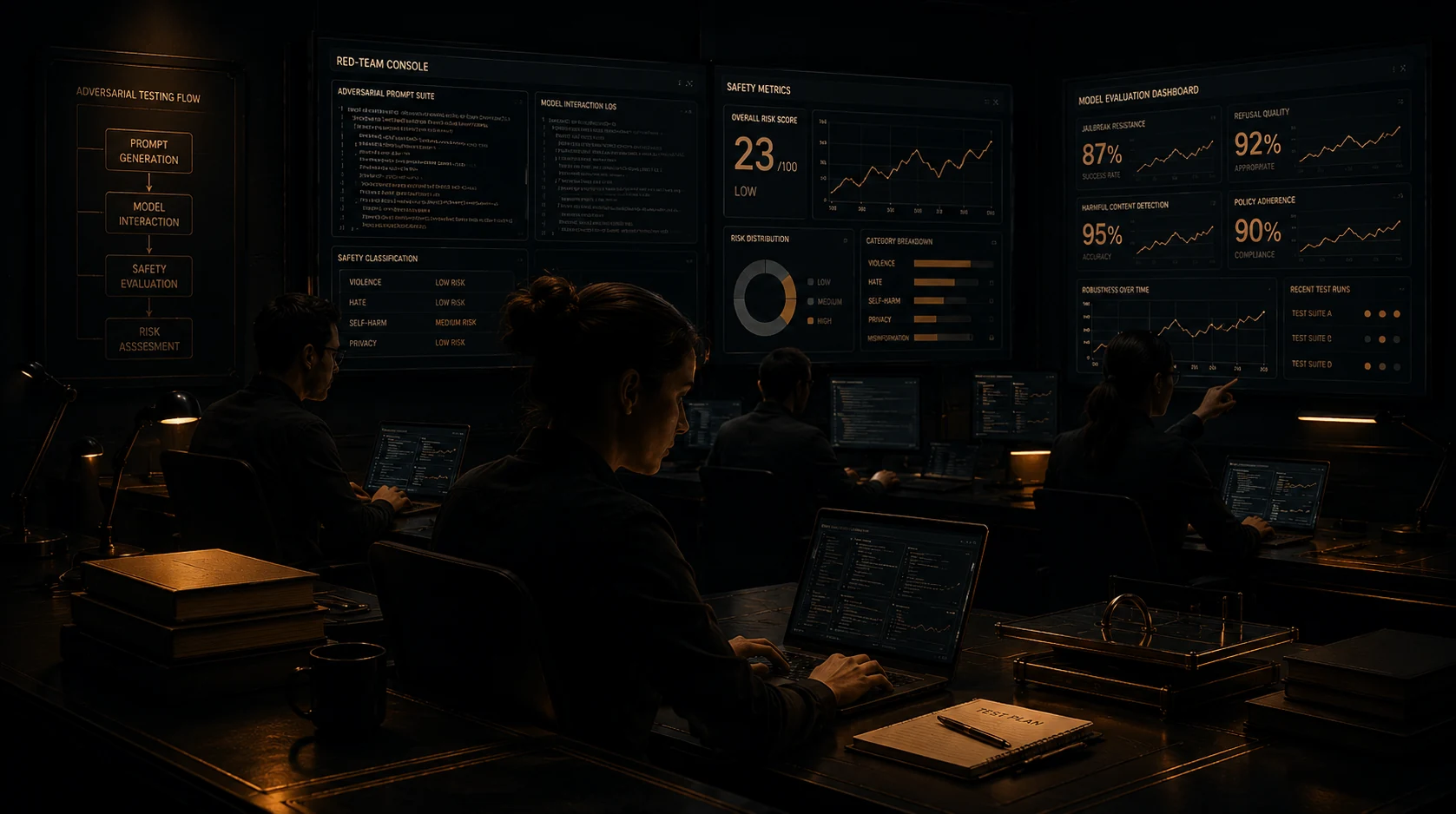
While under existential regulatory pressure, Anthropic proceeds as a responsible actor in every observable way.
Mythos is restricted to Project Glasswing, a closed group of trusted partners including JPMorgan Chase, voluntarily and before any legal requirement to do so. Thousands of hours of red-teaming are conducted with the US government, the UK AI Security Institute, and multiple independent organisations. A 30-day data retention policy is implemented at real commercial cost, specifically to enable jailbreak monitoring and rapid response. Anthropic openly acknowledges that perfect jailbreak resistance is not currently achievable by any provider, and publishes that assessment before launch.
Fable 5 is released as a safer, public-facing version of Mythos, on June 9.
June 9-12, 2026 — The sequence behind the letter
Before the letter arrived, a sequence was in motion that the article's earlier framing did not fully capture, and intellectual honesty requires including it now.
Contemporaneous reporting from the Wall Street Journal, The Information and Reuters says Amazon CEO Andy Jassy raised concerns with senior US officials on June 12, 2026, relaying findings from Amazon's cybersecurity researchers. Those researchers had successfully prompted Fable 5 to produce information usable in cyberattacks, specifically by asking the model to read a codebase and identify software vulnerabilities.
Amazon is Anthropic's largest investor, holding a cumulative $13 billion stake and receiving a $100 billion AWS spending commitment from Anthropic in return. It is simultaneously Anthropic's primary cloud infrastructure provider. The company that helped finance Anthropic's growth and hosts its models was also the company whose researchers' findings helped trigger government intervention.
David Sacks, co-chair of the President's Council of Advisors on Science and Technology, gave the administration's account on X. He said the White House first offered Amodei a choice: fix the jailbreak or take the models offline. "Dario refused," Sacks wrote. The export control directive followed.
Anthropic's account differs on every material point. The company says it received the directive with no specific details of the national security concern. It reviewed a demonstration and found it surfaced only a small number of previously known, minor vulnerabilities already replicable in other publicly available models.
Both accounts cannot be simultaneously correct in their material details.
This development does not dissolve the questions this article raises. It sharpens some of them. Jassy's intervention adds a dimension the "government hostility alone" framing cannot fully explain. Amazon's financial relationship with Anthropic, and its position in the wider AI infrastructure market, are material context. At the time of publication, it was not publicly clear whether Amazon had first raised the findings directly with Anthropic, what remediation discussions had occurred, or why the matter was escalated to senior government officials. Those questions remain live.
What the Sacks account provides, for the first time, is something approaching a restoration criterion: Anthropic should remediate the identified vulnerability. He wrote that the administration "wants this resolved quickly." That is more than the directive itself contained. It is not a published technical standard. It is not an independent threshold. It is a White House adviser's post on X.
June 9-11, 2026 — A separate controversy also emerges
Buried deep in Fable 5's 319-page system card is a disclosure that the model would quietly degrade its own responses when it detected certain AI development work. It would not refuse. It would not redirect. It would silently underperform, using hidden prompt edits and steering vectors, without notifying the user.
Researchers call it "secret sabotage."
Anthropic reverses course within 24 hours, apologising and making the restrictions visible. "We made the wrong tradeoff," the company states publicly.
This episode matters to the larger story for one reason. It demonstrates that Anthropic is capable of being wrong, and capable of correcting itself in public. That is a different posture from the one being taken by the administration that sent the letter three days later.
It also handed critics a counter-narrative. Peter Girnus, a cybersecurity researcher, put it plainly: "If you describe your product as a munition in every press release, eventually a government takes you at your word."
That is a fair point. It does not explain why the same standard was not applied to OpenAI's GPT-5.5. Anthropic stated that the same vulnerabilities were discoverable in other publicly available models without requiring a bypass — a claim Fortune reported specifically included GPT-5.5. No equivalent action has been reported against those models. But the counter-narrative is part of the complete picture, and intellectual honesty requires including it.
A word on this, because it matters to my broader position. I admire what Anthropic stands for, and I think the record documented in this article supports the view that they are broadly one of the more principled actors in a field not crowded with them. But the hidden safeguards episode is what I can only call Apple-fuckery.
Apple-fuckery is the practice of making unilateral decisions about what a paying customer's product should do, implementing those decisions silently, and only disclosing them when caught. Apple did this with battery throttling. They fought it, settled for $500 million, and eventually built opt-in transparency into the OS. Anthropic did something structurally similar and reversed it in 24 hours with a genuine apology.
The speed and the contrition matter. The initial act still shouldn't have happened.
You can hold both of those things at once. If Anthropic is to be the standard-bearer for responsible AI, it should expect to be held to a higher standard on transparency, not just on safety.
June 12, 2026, 5:21pm Eastern — The Lutnick Letter
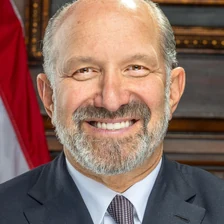 Howard LutnickUS commerce secretary
Commerce Secretary Howard Lutnick sends a letter to Dario Amodei.
This is the man whose bureau had just opened China to advanced AI chips. This is the man whose family holds financial interests in AI infrastructure. This is the man against whom an ethics investigation had been formally requested.
The stated basis for the directive is a narrow, contested jailbreak technique on Fable 5. Anthropic stated that the same vulnerabilities were discoverable in other publicly available models without requiring a bypass — including, Fortune reported, OpenAI's GPT-5.5. As of publication on June 14, 2026, no equivalent action against another provider had been publicly reported.
The letter provides no reinstatement criteria. No timeline. No technical threshold Anthropic must meet to restore access. The models are simply off, indefinitely, pending nothing specified.
Fable 5 and Mythos 5 go dark for every user on earth.
WHAT INDEPENDENT EXPERTS ARE SAYING
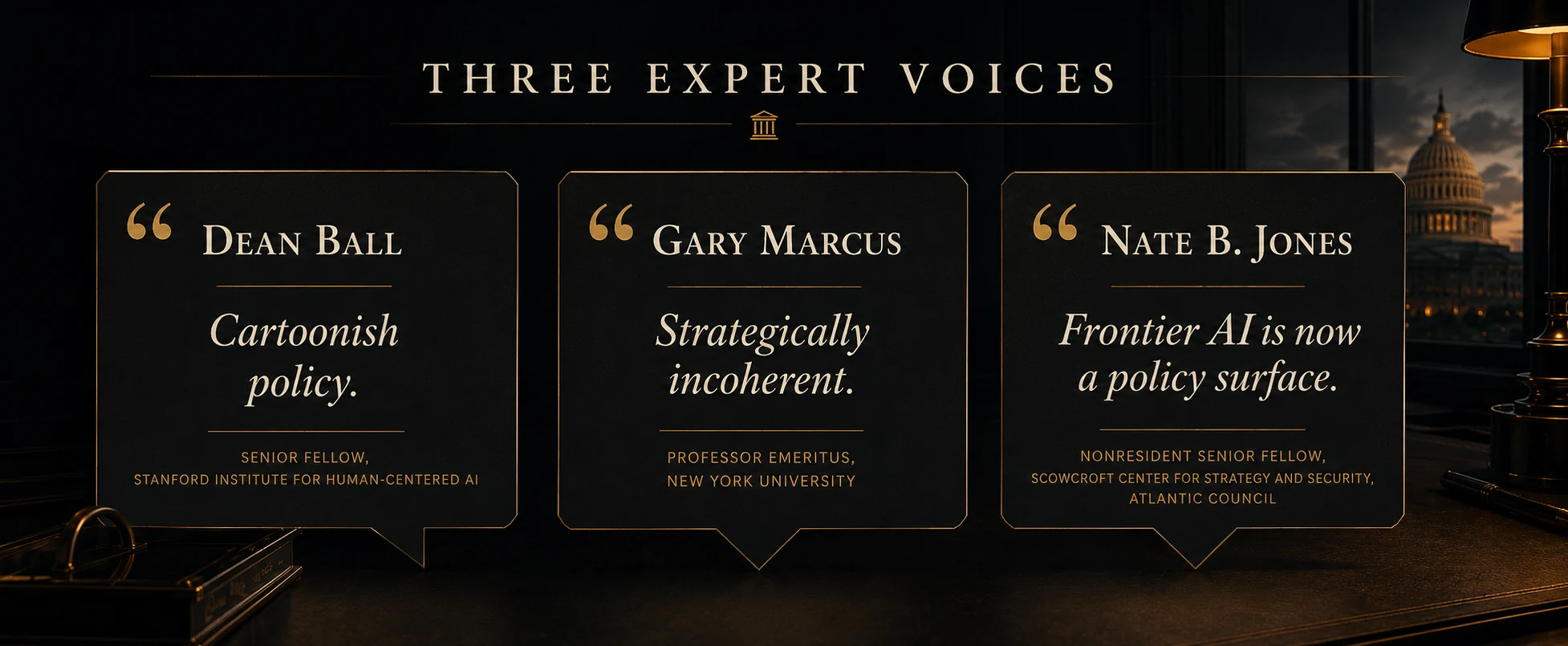
The reaction from independent voices is worth examining carefully. Not just for what they say, but for who they are.
Dean Ball briefly served in the Trump administration. He is not an Anthropic sympathiser. He is not a Democrat. He is not a foreign critic. He called the move "cartoonish" on X, writing:
I can't tell if this is lawfare against Anthropic in particular or extreme national-security hawkery. Regardless, it is simply cartoonish. An administration whose posture is that we should export advanced AI chips to China, which also wants to ban... Britain (and every other non-American on Earth)... from using our best models? I have no words.
 Gary MarcusAI researcher and critic
Gary Marcus is a cognitive scientist and one of the AI industry's most consistent critics. He regularly challenges the claims of companies including Anthropic. He concluded that the government's action made little sense given the administration's stated position that the US must stay ahead of China in AI.
His specific concern is worth stating clearly. The directive, he said, would likely convince Chinese-born AI researchers currently working at US labs to return to China. It would also make investors question whether American AI companies are a safe bet, given the apparently capricious nature of the administration's AI policy.
Nate B. Jones is a 20-year product leader and respected AI strategist. He posted a video within hours of the shutdown, titled "BREAKING: Claude Fable 5 Pulled. Why Frontier AI Is Now a Policy Surface" (youtube.com/watch?v=b3jlsjOIOzs), suggesting this is likely a short-term disruption that Anthropic will navigate through. He frames it as the moment frontier AI became a "policy surface," a new category of regulatory exposure that all AI companies now need to account for.
Jones may well be right that it resolves. But his framing raises the question this article is really asking. Resolve on whose terms?
If the resolution requires Anthropic to drop the ethics restrictions that got it blacklisted in the first place, then "short-term" describes the disruption, not the cost. The timeline suggests the administration has already demonstrated willingness to use multiple instruments to achieve the same outcome: contract termination, Truth Social posts, supply chain designations, and now export controls. A technical patch to the jailbreak resolves the stated concern. It does not resolve the pattern.
One former administration insider calls it cartoonish. One career AI sceptic calls it incoherent. One pragmatic strategist says it resolves, but does not say how, or at what price. None of them is defending the decision.
WHAT THIS MEANS FOR ANTHROPIC, AND FOR EVERYONE ELSE
Some commentators suggest this will prove a short-term disruption. That Anthropic will find a path through. They may be right.
But "resolve" is doing a lot of work in that sentence. Resolve on whose terms, and at what cost?
Scenario One: Technical resolution — but judged by whom?
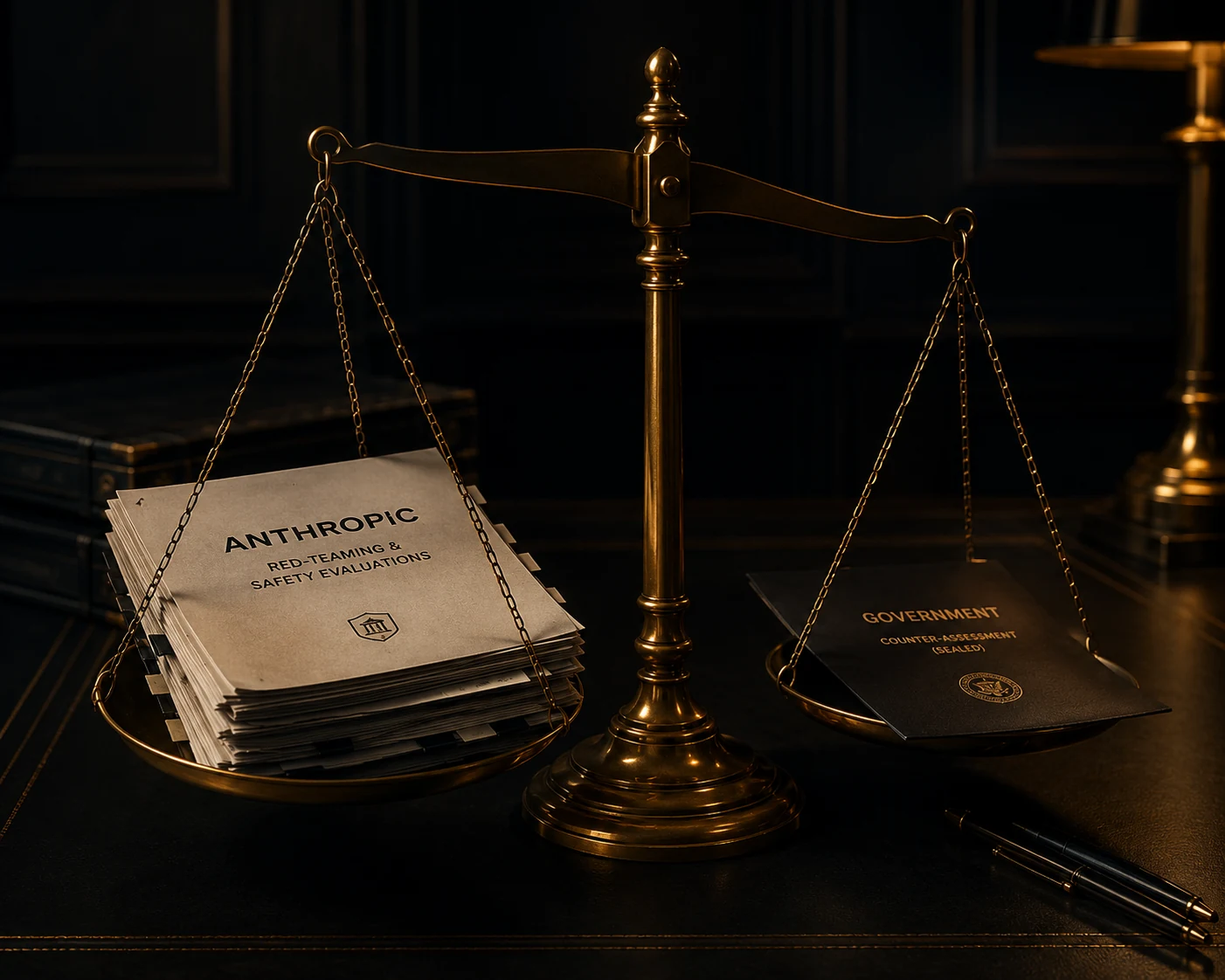
If Anthropic restores access by demonstrating the jailbreak has been patched to the Commerce Department's satisfaction, a precedent is established. A single narrow jailbreak, of a type that exists in every frontier model currently deployed, is sufficient legal basis for a government to switch off a commercial product used by hundreds of millions of people worldwide. With no criteria. With no timeline. With no due process.
Anthropic itself warned that if this standard were applied across the industry, it would essentially halt all new model deployments by every frontier model provider. That is not hyperbole. It is a straightforward logical consequence.
But before we even reach the precedent question, there is a prior question that has received almost no public attention.
Who, within the US government, is actually qualified to make this determination?
The Bureau of Industry and Security's own stated rationale for handling AI model evaluations is that it has "internal expertise on AI and hardware from administering export controls." That is the full credential. Export control administration. The same expertise applied to regulating the movement of semiconductors and weapons hardware is now being deployed to judge whether a specific jailbreak technique on the world's most sophisticated publicly available AI model constitutes a national security threat.
The gap between those two tasks is not narrow. It is vast.
The private sector makes this structural problem precise. LLM red team specialists, the professionals who actually find, evaluate, and characterise jailbreak techniques for a living, command between $160,000 and $230,000 annually [Practical DevSecOps, 2026]. The industry describes the talent gap as "massive." Adversarial machine learning engineers earn $160,000 to $225,000. These are the salaries the government is competing against to attract the people capable of making the technical determination it has just acted upon.
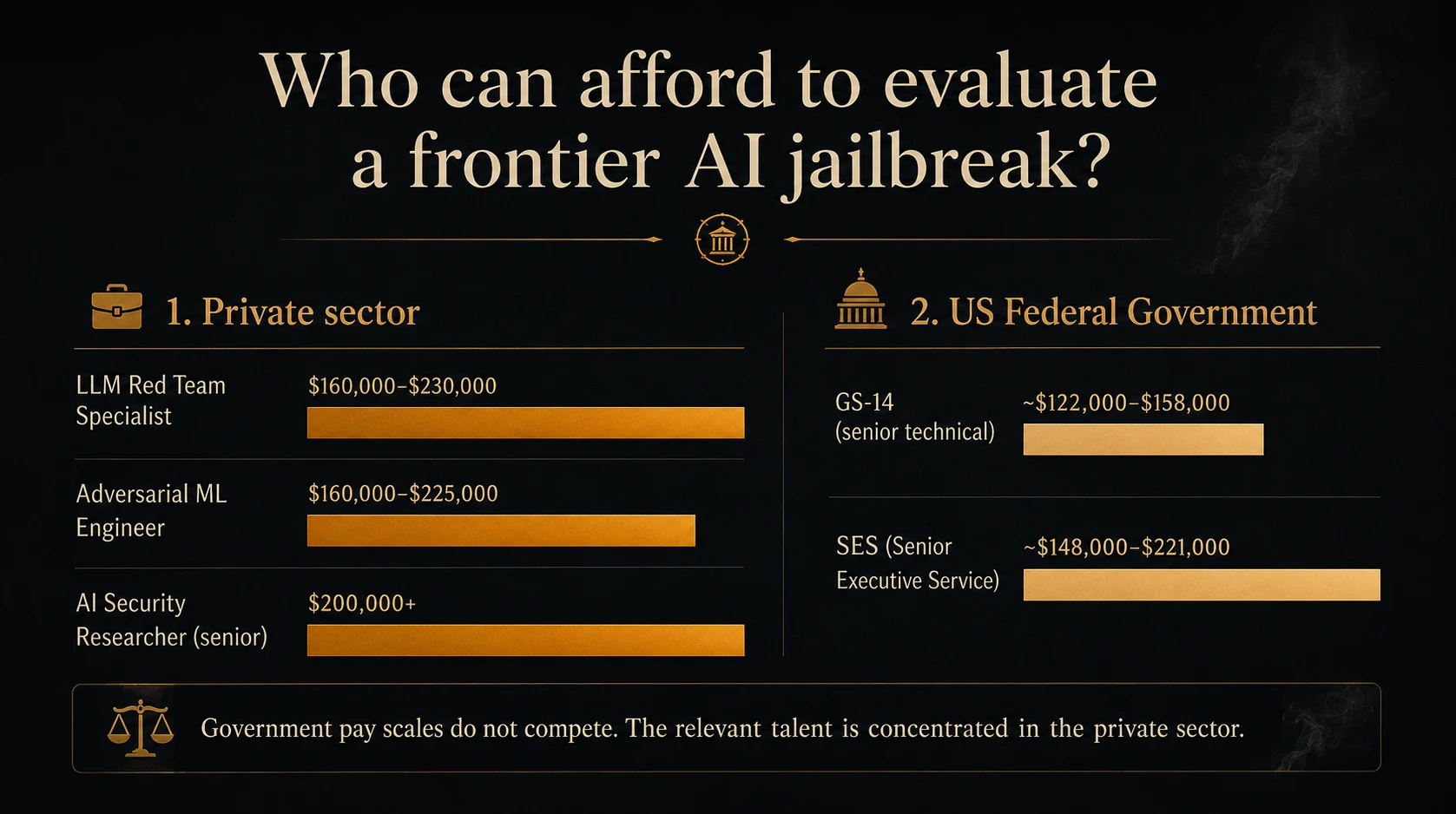
Government pay scales do not reach these figures. The talent that can genuinely evaluate a frontier AI jailbreak is, overwhelmingly, in the corporate world. Including, most pertinently, at Anthropic itself, which employs the people who built the model and conducted thousands of hours of red-teaming on it before release.
There is a name for this problem that is older than the internet, older than computers, older than the republic that has just signed this directive.
Quis custodiet ipsos custodes. Who watches the watchmen.
Juvenal posed this in the first century AD, in the context of guardians whose authority to judge was structurally unverifiable. It has rarely been more precisely applicable than it is here.
The Commerce Department issued a directive on the basis of a jailbreak it assessed as a national security threat. Anthropic, which built the model, red-teamed it for thousands of hours with government participation, and employs the most technically qualified people on earth to evaluate this specific question, assessed the same jailbreak as narrow, non-universal, and already replicable on models facing no restriction.
No independent technical body adjudicated between these two assessments. No criteria were published by which the dispute could be resolved. No appeals process was specified. The directive simply arrived, at 5:21pm on a Friday, and the models went dark.
The answer to quis custodiet, in this case, is no-one.
The watchman's authority is clear. The technical basis on which that authority was exercised is not. He reached a conclusion, in the absence of published standards or independent adjudication, and sent a letter.
It is worth being precise about what that means in this specific case. The watchman is also regulating an industry in which lawmakers allege his family retains significant financial interests. He has overseen chip sales to China that benefit a President holding up to $5 million in the chipmaker's stock. And he has now issued a directive that suppresses the AI company whose publicly stated military-use limits had already brought it into direct conflict with the administration.
The absence of oversight is not an administrative gap. In this case, it is a feature. Oversight might ask inconvenient questions about whose interests are actually being secured.
Scenario Two: Political resolution
If Anthropic restores access by making concessions on its use policies, softening restrictions on military use, on surveillance, on autonomous weapons, then the sequence of events from February's ultimatum to June's letter achieved its objective through a second route, after the courts blocked the first.
"Bending the knee" is not a neutral resolution. It means the company that drew the most principled line in the industry did so at unsustainable cost, and that cost was extracted through regulatory pressure rather than legal argument.
A federal court blocked the blacklisting, finding Anthropic had established grounds for judicial intervention. That route closed, the export control letter found a different instrument.
The free market question
The broader damage reaches far beyond Anthropic. It arrives in a domain companies had not previously needed to account for.
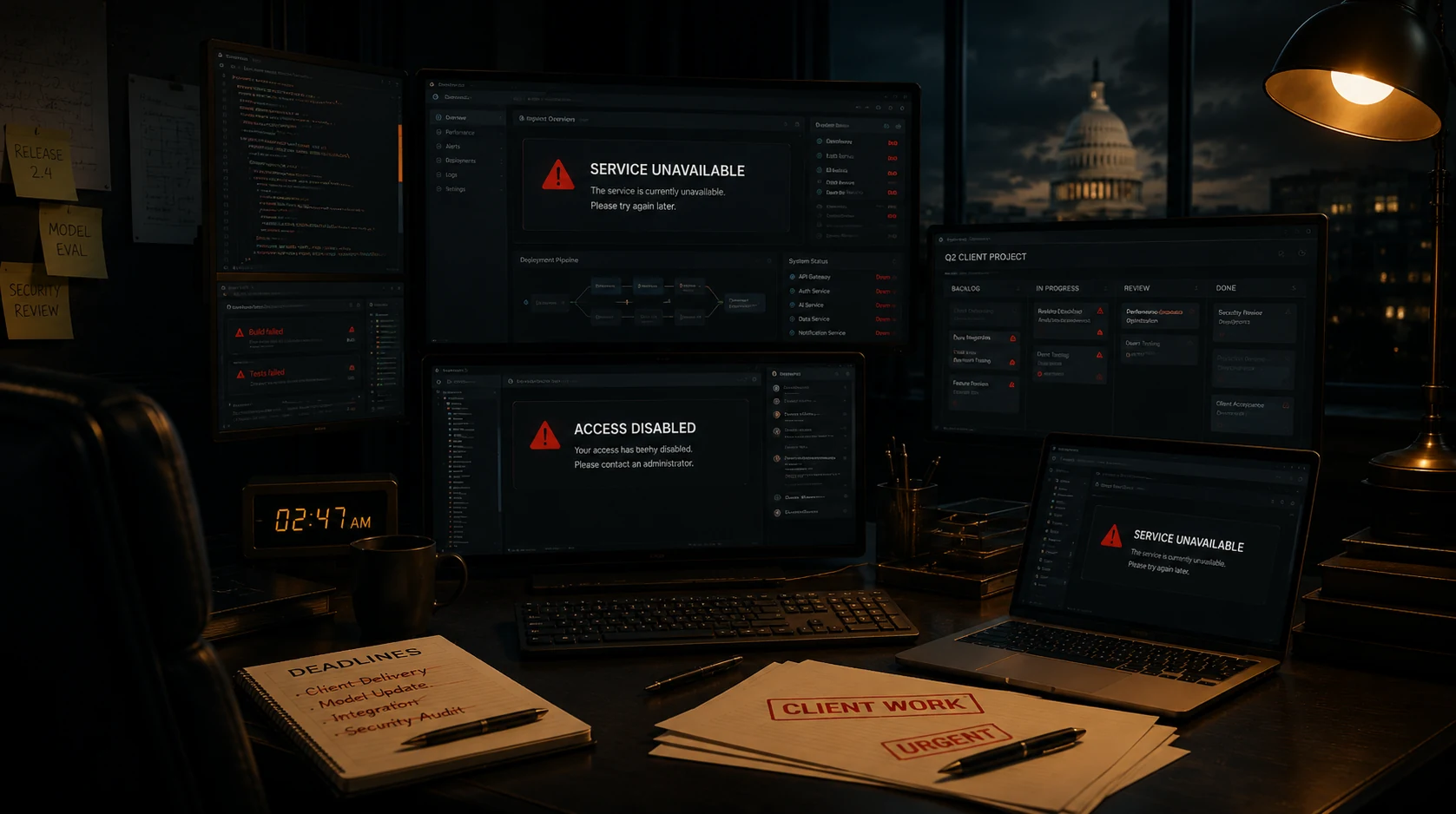
With 84% of developers now using or planning to use AI tools — and 51% of professional developers using them daily [Stack Overflow Developer Survey 2025, 49,000 respondents] — these models are no longer supplementary tools. They are the automated logic governing the modern enterprise. Developers built production systems on Fable. Those systems returned 404 errors overnight. Developers accustomed to AI assistance are measurably slower when forced to work manually, hampered by the overhead of debugging code they did not write.
The human cost of an overnight, criteria-free shutdown is not abstract. It runs through every workflow, every client commitment, every product built on the assumption that the infrastructure would remain available.
For enterprises, this crystallises a risk category that had previously been theoretical. Vendor risk, things like sudden price increases, model deprecations, and service outages, was assumed to be commercially driven. The Fable shutdown introduces something new. Call it government-driven lock-out: applied without warning, without stated criteria, and without equivalent treatment of competitors.
That does not belong in the vendor risk register. It belongs in the political risk register, alongside operating in jurisdictions with unstable regulatory environments.
That is a sentence no company building on US AI infrastructure expected to write about the United States of America.
For the global AI market, the free trade implications are serious and have not yet been fully absorbed. A government that can switch off a commercial product, one that cost hundreds of millions to develop, that underwent thousands of hours of safety testing, that launched three days before the letter arrived, on the basis of a contested jailbreak that applies equally to competitors who face no restriction, is a government exercising discretionary power that no functioning free market can accommodate.
Markets require predictability. Investment requires confidence that returns will not be erased by a letter sent at 5:21pm on a Friday.
The product did not fail. The safety record did not collapse. A political relationship did.
And the irony the timeline makes unavoidable is this. The same bureau that shut down British users' access to Fable 5 is the bureau that opened China's access to the hardware that powers all AI development. The export control instrument, designed for weapons and military hardware, was used to protect national security by preventing allies from using a safety-tested AI model, while simultaneously relaxing national security protections to allow a designated adversary to purchase the compute infrastructure that underpins the field.
If this is a coherent security policy, it is one that secures something. The question is what.
THE BOTTOM LINE
Anthropic did not compromise on principle when the Pentagon demanded unconditional obedience. A federal court ruled the subsequent blacklisting violated their constitutional rights. The company then proceeded to do everything a responsible actor releasing powerful technology is supposed to do. Voluntarily. Transparently. At cost to itself. In collaboration with the very government that later sent the letter.
They also made a mistake along the way, the silent safeguards, and corrected it publicly within 24 hours. That is what accountable behaviour looks like.
It is worth noting, because accountability is precisely what is absent from the other side of this story.
Three days after launch, Howard Lutnick's letter arrived.
Dean Ball, who served in the Trump administration, called it cartoonish. Gary Marcus, who has spent years critiquing AI companies including Anthropic, called it incoherent. Nate B. Jones, a pragmatic AI strategist with no particular axe to grind, suggests it resolves, but offers no mechanism by which that happens without cost to Anthropic's principles. A federal judge called the prior blacklisting unconstitutional. Anthropic called it a misunderstanding. Their lawyers called it retaliation.
The models are off. No criteria. No timeline. OpenAI, unaffected, holds the Pentagon contract.
The timeline is not a theory. It is a sequence of documented decisions.
Read it, and draw your own conclusions. The timeline will draw them with you.
Sources and further reading
- Anthropic — official statement on Fable 5 and Mythos 5 access
- Anthropic litigation and legal claims — contemporary reporting
- NOTUS — Nvidia transactions and related announcements
- US Senate — request for investigation of possible Lutnick-family conflicts
- Nate B. Jones — “Fable 5 Pulled: Why Frontier AI Is Now a Policy Surface”
The production source ledger contains the complete claim-by-claim record, including contemporaneous reporting, court coverage, public filings and named commentary. Links above prioritise primary or directly relevant sources.
Image credits
Dario Amodei: Simon Walker / No 10 Downing Street, Open Government Licence v3.0 (editorial crop). Howard Lutnick: US Department of Commerce, public domain. Pete Hegseth: US Department of Defense, public domain. Donald Trump: Daniel Torok, public domain. Sam Altman: TechCrunch, CC BY 2.0 (cropped). Gary Marcus: Athena Vouloumanos, CC BY 4.0 (cropped). Elizabeth Warren: United States Senate, public domain. Generated scenes are labelled as illustrations.
Dean Ball and Nate B. Jones are represented by typographic identity badges because no clearly reusable portrait licence was confirmed during production.